Sleep Optimization: Tech and Routines for Peak Performance
Optimize sleep for peak performance using consistent routines, wearable tech like Oura Ring, environmental adjustments, and mindfulness practices to enhance physical and cognitive function, as supported by scientific research.
By Jade josef on January 28, 2026
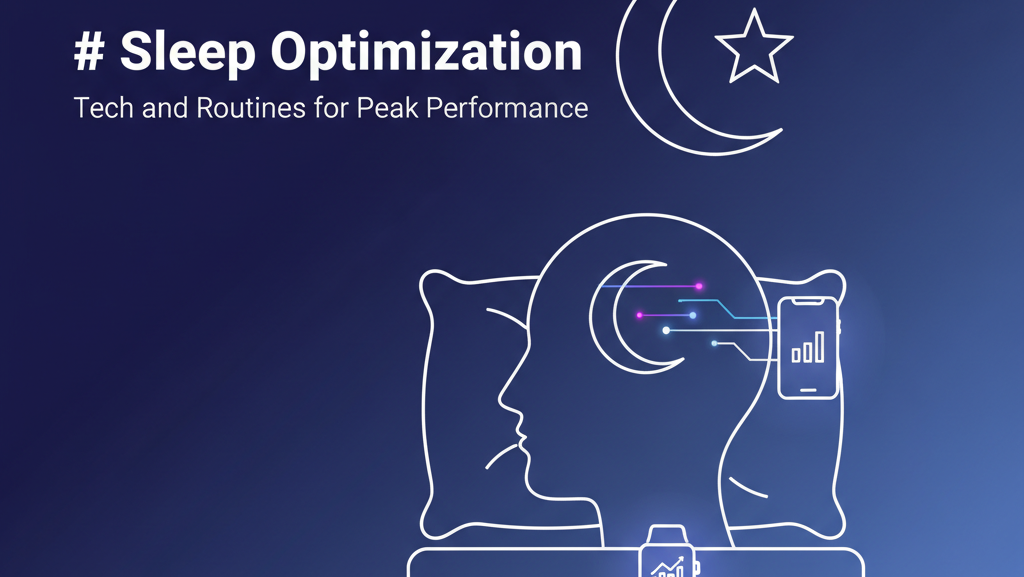
Sleep Optimization: Tech and Routines for Peak Performance
Imagine waking up, feeling refreshed and ready to tackle the day. For many, this scenario feels like a distant dream, overshadowed by late-night work hours, social obligations, or restless tossing and turning. Yet, adequate and quality sleep is not just a luxury; it’s a performance enhancer. Scientific research consistently shows that even slight increases in sleep duration can lead to measurable improvements in physical performance and cognitive function. So, how can individuals, from athletes to busy professionals, optimize their sleep and tap into their peak potential?
Key Takeaways
- Sleep duration directly impacts performance; even small increases yield significant benefits.
- Consistent sleep routines establish better circadian rhythms, leading to improved alertness and focus.
- Wearable tech, like sleep trackers, provides data to personalize sleep optimization strategies.
- Environmental factors, such as light and noise, significantly influence sleep quality and duration.
- Mindfulness techniques, including meditation, can enhance relaxation and improve sleep onset.
- Sleep hygiene practices, such as maintaining a cool room and avoiding screens before bed, promote restful sleep.
- Using apps to manage sleep schedules can help adjust body clocks, especially during travel.
The Power of Routine
Establishing a consistent sleep routine is foundational for optimizing sleep quality. Research indicates that maintaining regular sleep and wake times helps regulate the body's internal clock. For instance, going to bed and waking up at the same time every day—even on weekends—can improve overall sleep quality. This practice not only enhances physical performance but also sharpens cognitive abilities, making it easier to tackle complex tasks during the day.
Athletes, in particular, have begun to adopt structured sleep schedules to gain a competitive edge. A study involving cyclists revealed that those who increased their sleep duration saw significant improvements in performance metrics. This isn’t merely anecdotal; it reflects a growing body of evidence that a disciplined sleep pattern is crucial for peak performance.
Harnessing Technology
In our hyper-connected world, technology can seem like both a blessing and a curse when it comes to sleep. However, leveraging tech for sleep optimization can yield impressive results. Wearable devices, such as smartwatches and fitness trackers, monitor sleep patterns, offering insights into sleep stages and disturbances. For example, the Oura Ring provides detailed sleep analysis that helps users understand their sleep quality and make adjustments accordingly.
Additionally, apps like Sleep Cycle and Calm not only track sleep but also offer guided meditations and soothing sounds to promote relaxation. This tailored approach to sleep optimization means that individuals can create personalized routines that cater to their specific needs, even while traveling or adjusting to new environments.
Environmental Factors Matter
The environment in which one sleeps plays a crucial role in overall sleep quality. Factors like light exposure, room temperature, and noise levels can significantly disrupt sleep. Creating a sleep-conducive environment starts with dimming lights and minimizing noise. Blackout curtains can help block unwanted light, while white noise machines can mask disruptive sounds.
A cool room, ideally between 60-67 degrees Fahrenheit, is widely regarded as optimal for sleep. Such adjustments might seem minor, but they can make a substantial difference in how quickly one falls asleep and how restful that sleep is.
Mindfulness for Better Sleep
Mindfulness practices, including meditation and deep-breathing exercises, have gained traction as effective tools for improving sleep quality. Engaging in these practices can help reduce anxiety and promote a state of relaxation, making it easier to drift off to sleep. Research suggests that even a short daily mindfulness practice can lead to better sleep outcomes, including reduced sleep latency and improved sleep quality.
Incorporating mindfulness into a nightly routine can be as simple as dedicating ten minutes to meditation before bed. Apps like Headspace and Insight Timer offer guided sessions specifically designed to enhance relaxation and prepare the mind for sleep.
Conclusion: The Sleep Challenge
In a world that often glorifies busyness and productivity, prioritizing sleep can feel counterintuitive. Yet, it’s clear that achieving peak performance—whether in athletics, work, or daily life—starts with optimizing sleep. The challenge lies not just in recognizing the importance of sleep, but in actively implementing strategies that support it.
So, what does your sleep routine look like? Are you ready to embrace the power of sleep optimization and transform your performance? The path to peak productivity might just be a good night's sleep away.