Interval Walking: Japanese-Inspired Fitness for Busy Lives
Interval walking, a Japanese-inspired fitness method, alternates brisk walking bursts with slower recovery phases. It fits busy schedules, boosts cardiovascular fitness and mental health, requires minimal equipment, and promotes mindfulness through nature connection.
By Emi;e Bartow on January 28, 2026
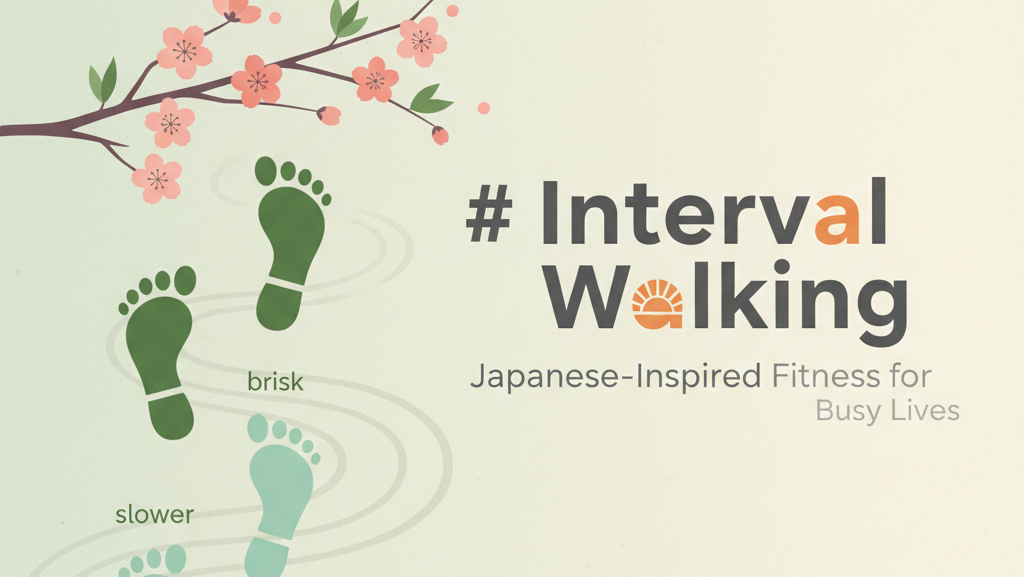
Interval Walking: Japanese-Inspired Fitness for Busy Lives
Imagine a workout that fits seamlessly into your hectic schedule, boosts your mood, and requires minimal equipment. Enter interval walking, a concept rooted in Japanese fitness culture that is rapidly gaining traction worldwide. This method of walking combines bursts of high-intensity effort with periods of slower-paced recovery, making it an accessible yet effective way to stay active amidst a busy lifestyle.
Key Takeaways
- Interval walking alternates periods of brisk walking with slower recovery phases, enhancing cardiovascular fitness.
- The method can be tailored to individual fitness levels, making it suitable for beginners and seasoned walkers alike.
- Japanese-inspired fitness emphasizes mindfulness and enjoyment, promoting a holistic approach to well-being.
- Walking outdoors boosts mental health, offering fresh air and a connection to nature during workouts.
- Incorporating interval walking into daily routines can lead to better adherence to exercise goals.
- Minimal equipment is required; a good pair of walking shoes is often sufficient.
- Research shows that interval training can improve fitness levels in shorter time frames compared to steady-state cardio.
What is Interval Walking?
Interval walking leverages the principles of interval training, where short bursts of intense activity are interspersed with slower, restorative periods. This method has its roots in Japanese fitness culture, specifically the "Kaizen" philosophy, which emphasizes improvement through small, manageable steps. In practice, it may look like walking briskly for one minute, followed by two minutes of a slower pace, then repeating the cycle for a set duration.
The beauty of interval walking lies in its adaptability. Individuals can adjust the intensity and duration of the intervals based on their fitness levels, making it accessible for everyone—from busy professionals to retirees.
The Japanese Influence
Japan has long been recognized for its unique approach to health and fitness. The country’s cultural emphasis on balance, mindfulness, and community has shaped its fitness trends. Interval walking is no exception. It aligns with the Japanese practice of "Shinrin-yoku," or forest bathing, which encourages people to immerse themselves in nature for both physical and mental benefits.
By combining interval walking with elements of mindfulness, practitioners can enhance their focus and enjoyment. This method encourages participants to engage their senses—feeling the ground beneath their feet, listening to the rustle of leaves, and observing their surroundings. This holistic approach fosters a deeper connection to the environment and promotes overall well-being.
Benefits Beyond the Physical
While the physical benefits of interval walking are significant, the mental health advantages are equally compelling. Studies indicate that outdoor activities can reduce symptoms of anxiety and depression. The rhythmic nature of walking, combined with the invigorating bursts of speed, can boost endorphin levels, creating a sense of happiness and vitality.
Furthermore, the simplicity of interval walking allows for easy integration into daily life. Whether you’re on your lunch break, waiting for a meeting to start, or simply enjoying a sunny afternoon, the method can be performed almost anywhere. The flexibility ensures that it can fit into even the busiest of schedules.
Getting Started with Interval Walking
To embark on your interval walking journey, start by finding a comfortable pair of walking shoes. A good fit is crucial to prevent injury and ensure a pleasant experience. Next, choose a safe outdoor space—be it a park, a quiet street, or a scenic trail.
Begin with a warm-up, walking at a leisurely pace for five to ten minutes. After your body is prepared, alternate between one minute of brisk walking and two minutes of a slower pace. Aim for a total workout time of 20 to 30 minutes, gradually increasing the intensity and duration as your fitness improves.
It’s essential to listen to your body. If you feel fatigued or experience discomfort, adjust your intervals accordingly. The aim is to challenge yourself, but not to the point of injury. Consistency is key; aim to practice interval walking a few times a week, and you’ll likely notice improvements in your fitness levels and overall mood.
Conclusion
In a world where time is often at a premium, interval walking offers a practical solution for those seeking to maintain their health without sacrificing their schedules. Inspired by Japanese principles of mindfulness and gradual improvement, this approach to fitness can transform your daily routine into a path of wellness, one step at a time. So, lace up those shoes, step outside, and embrace the rhythm of your own pace.