Contrast Therapy: Hot and Cold for Recovery and Vitality
Contrast therapy alternates between hot and cold exposure to promote blood circulation, reduce muscle soreness, and enhance recovery. Rooted in ancient practices and backed by modern science, it offers physical benefits like faster recovery and mental boosts such as improved mood and resilience through vasodilation and vasoconstriction.
By Jade josef on January 28, 2026
Contrast Therapy: Hot and Cold for Recovery and Vitality
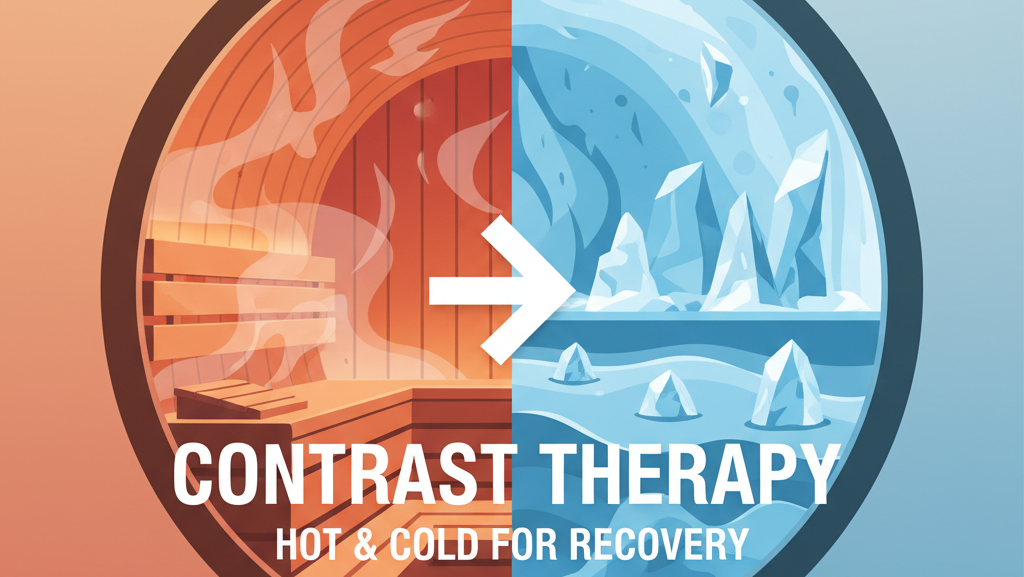
Imagine stepping out of a sauna, pores open, body relaxed, only to plunge into an icy pool moments later. It sounds jarring, yet this practice, known as contrast therapy, has been embraced for centuries across various cultures. The juxtaposition of hot and cold not only invigorates the body but also plays a significant role in recovery and overall vitality.
Key Takeaways
- Contrast therapy alternates between hot and cold exposure, promoting blood circulation and reducing muscle soreness.
- Ancient civilizations, including the Greeks and Romans, used hot springs and cold baths for wellness and recovery.
- Modern studies suggest that contrast therapy can enhance athletic performance by improving recovery times.
- Regular use of contrast therapy can potentially improve mood and reduce symptoms of anxiety and depression.
- Popular methods include saunas, ice baths, and hydrotherapy, each offering unique benefits.
- Contrast therapy is accessible to everyone—no special equipment required, just a willingness to embrace temperature extremes.
- Many athletes and fitness enthusiasts incorporate contrast therapy into their routines for enhanced recovery.
The Science Behind Contrast Therapy
At its core, contrast therapy works on the principle of vasodilation and vasoconstriction. When exposed to heat, blood vessels expand, increasing blood flow and oxygen delivery to muscles. Cold exposure, on the other hand, constricts blood vessels, reducing inflammation and swelling. This cycle of hot and cold can accelerate the body's natural recovery processes.
Research indicates that athletes who regularly engage in contrast therapy recover faster and report less muscle soreness compared to those who don’t. A study published in the Journal of Athletic Training found that individuals using contrast baths experienced significantly less delayed onset muscle soreness (DOMS) after intense workouts.
Historical Roots of Contrast Therapy
The practice isn't new. Ancient Greeks and Romans utilized thermal baths, while Japanese culture has long celebrated the benefits of onsen (hot springs) and cold-water plunges. These traditions highlight a deep understanding of the body's response to temperature variations—a knowledge that modern science is just beginning to validate.
In many cultures, the act of transitioning between hot and cold environments serves more than just a physical purpose. It is often seen as a ritual, a way to rejuvenate both the body and the spirit. By embracing this ancient wisdom, contemporary wellness enthusiasts can unlock a treasure trove of health benefits.
Methods of Contrast Therapy
Contrast therapy can be easily integrated into any wellness routine. Here are some popular methods:
- Sauna and Ice Bath: Spend 10-15 minutes in a sauna, followed by a quick dip in ice water. Repeat this cycle two to three times.
- Hydrotherapy: Alternating showers between hot and cold water for a few minutes can stimulate circulation and improve skin health.
- Hot and Cold Packs: For targeted relief, apply a hot pack to sore muscles, followed by a cold pack to reduce inflammation.
Each method offers unique benefits, and individuals can tailor their routines based on personal preferences and specific recovery needs.
Mental Benefits of Contrast Therapy
Beyond physical recovery, contrast therapy can also enhance mental well-being. The shock of cold water can release endorphins, those feel-good hormones that elevate mood and reduce stress. Some studies suggest that regular exposure to these temperature extremes can contribute to decreased anxiety and improved overall mental health.
The invigorating experience can also foster a sense of resilience. Many who engage in contrast therapy report a boost in confidence, as they learn to embrace discomfort for the sake of their health.
Conclusion
Contrast therapy is more than just a wellness trend; it's a powerful tool for enhancing recovery and vitality. Whether you are an athlete pushing your limits or someone seeking to improve everyday well-being, integrating hot and cold exposure into your routine could be the invigorating change you need. Embrace the extremes, challenge your comfort zone, and discover the rejuvenating power of contrast therapy. Your body and mind may just thank you for it.