Anti-Inflammation Diets: Proven Patterns for Reducing Chronic Inflammation and Enhancing Longevity
Chronic inflammation contributes to heart disease, diabetes, and cancer. Anti-inflammation diets, like Dr. Andrew Weil’s emphasizing whole foods, healthy fats, omega-3s, fruits, vegetables, nuts, and spices such as turmeric, reduce inflammation markers, promote wellness, and lower chronic disease risk when personalized with lifestyle factors.
By Moran Sapir on January 28, 2026
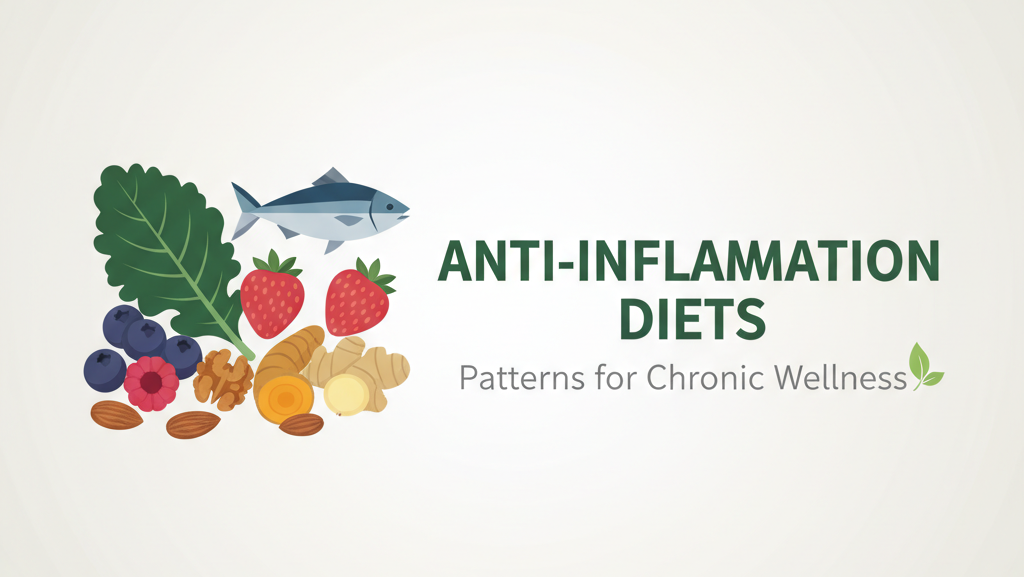
Anti-Inflammation Diets: Patterns for Chronic Wellness
Chronic inflammation is often the silent player in the game of health, contributing to conditions like heart disease, diabetes, and even cancer. As awareness of inflammation's role in health expands, so does interest in anti-inflammation diets. These dietary patterns not only address inflammation but also promote overall wellness and longevity.
Key Takeaways
- Anti-inflammation diets reduce the risk of chronic diseases and improve quality of life.
- Dr. Andrew Weil’s anti-inflammatory diet emphasizes whole foods, healthy fats, and spices.
- Common elements in anti-inflammatory diets include fruits, vegetables, nuts, and omega-3 fatty acids.
- A holistic approach to wellness integrates diet, physical activity, and mental health.
- Regular consumption of anti-inflammatory foods can lower inflammation markers in the body.
- Plant-based diets have shown significant anti-inflammatory effects and support immune function.
- Personalizing dietary patterns to fit individual needs enhances adherence and effectiveness.
Understanding Anti-Inflammation
The concept of anti-inflammation is rooted in the understanding that certain dietary choices can either fuel or combat inflammation. Dr. Andrew Weil’s anti-inflammatory diet serves as a cornerstone for many seeking to mitigate chronic inflammation through food. It emphasizes a variety of whole foods, including fruits, vegetables, whole grains, lean proteins, and healthy fats, particularly omega-3 fatty acids found in fish and flaxseeds.
Research consistently supports the idea that these dietary choices can lead to significant health benefits. For example, a diet rich in antioxidants, such as berries and leafy greens, can lower levels of inflammatory markers in the body. Incorporating spices like turmeric and ginger, known for their anti-inflammatory properties, adds another layer of protection against inflammation.
Common Patterns in Anti-Inflammation Diets
While various anti-inflammatory diets exist, they share several core principles. For instance, the Mediterranean diet, often cited for its health benefits, emphasizes fresh fruits, vegetables, nuts, and healthy fats. Similarly, the DASH diet aims to reduce hypertension and promotes whole foods that inherently possess anti-inflammatory properties.
These diets are not just about what to eat, but also about a holistic approach to health. The lifestyle implications are significant—regular physical activity, adequate sleep, and stress management are crucial components that complement dietary changes. It’s a synergy, where diet supports overall wellness, and lifestyle choices reinforce the benefits of an anti-inflammatory diet.
The Role of Specific Foods
When we delve deeper into the specifics, certain foods stand out for their anti-inflammatory effects. Berries, for instance, are packed with antioxidants like anthocyanins, which have been linked to reduced inflammation. Fatty fish, such as salmon and sardines, provide essential omega-3 fatty acids that are critical in reducing inflammatory cytokines.
Nuts, particularly walnuts and almonds, are another excellent addition. They not only provide healthy fats but are also rich in fiber and protein, contributing to satiety and overall health. Additionally, incorporating whole grains, such as quinoa and brown rice, helps maintain healthy gut bacteria, which plays a role in managing inflammation.
Personalizing Your Anti-Inflammation Journey
One of the most effective ways to adopt an anti-inflammation diet is to personalize it. Not every food suits every individual; allergies, intolerances, and personal preferences play a significant role. Keeping a food diary helps identify what works best for your body and how different foods impact your inflammation levels.
Moreover, engaging with a nutritionist can provide tailored recommendations that align with personal health goals and conditions. For instance, someone with arthritis may focus on foods high in omega-3s and antioxidants to combat joint inflammation, while someone with cardiovascular concerns may prioritize heart-healthy fats.
Conclusion
The journey toward chronic wellness through an anti-inflammation diet is not just about food choices; it's a lifestyle commitment. By embracing a diverse range of whole foods, engaging in regular physical activity, and managing stress, individuals can cultivate a healthier, more resilient body.
Consider this your invitation to explore the vibrant world of anti-inflammatory foods. Experiment with recipes, combine flavors, and discover what works for you. In this quest for health, remember, it’s not just about living longer; it’s about living well.